
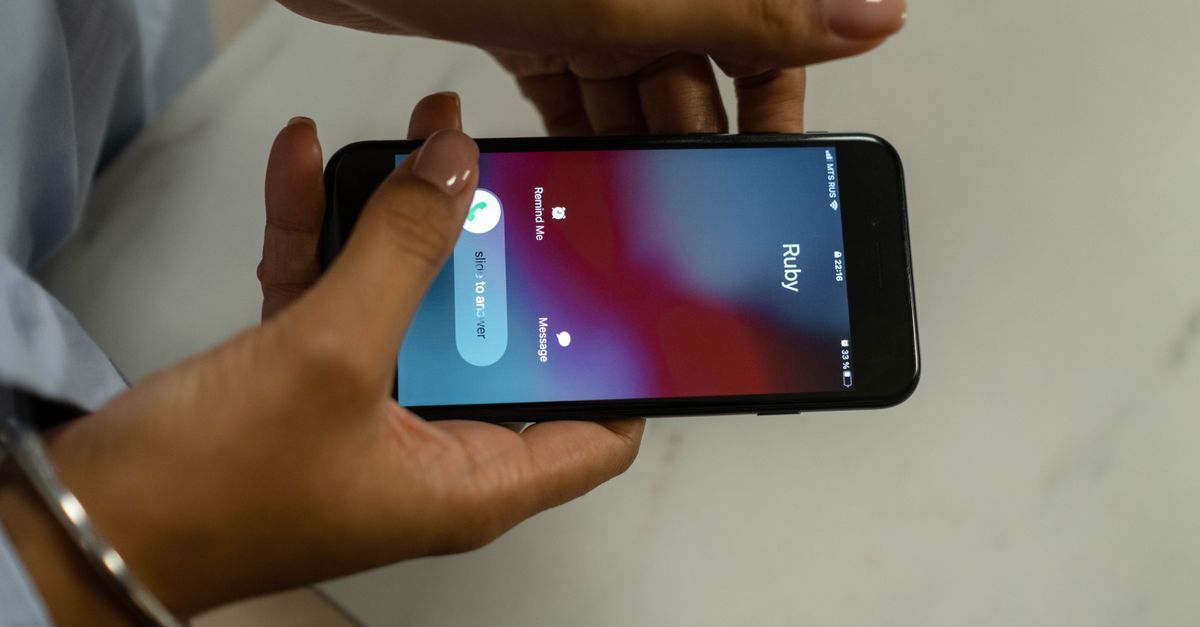
A caller dials your number, it rings out or hits voicemail, and they hang up. In that moment you've almost certainly lost them — unless something reaches back out fast. That's exactly what missed-call text-back does, and it's one of the simplest, highest-return ways to recover leads you're already losing.
Here's what it is, why it works, and how to do it well.
What is a missed-call text-back system?
A missed-call text-back system automatically sends a text after a caller does not connect. The goal is to keep the lead engaged while the need is still fresh, then route the reply to a person, an AI receptionist, or a scheduling workflow.
- Text-back only: useful when you need a simple fallback after voicemail or a busy line.
- AI receptionist: better when the caller needs intake, FAQs, booking, or escalation while the team is unavailable.
- Best workflow: answer live when possible, text back missed calls, and route replies into your CRM or scheduling process.
What missed-call text-back is
It's simple: when someone calls and doesn't connect — no answer, busy, or voicemail — they automatically receive a text message moments later. Something like, "Sorry we missed your call! How can we help?" The customer can reply by text and keep the conversation going, instead of disappearing.
It turns a dead end into an open door, and it meets people where they already are: most customers are happy to text, and many actually prefer it.
Why it works so well
- It catches them before they move on. The text lands while their need is still fresh, often before they've dialed a competitor.
- Texts get read. A text-back is far more likely to be seen and answered than a voicemail you leave them.
- It lowers the barrier. Some people don't want to keep calling or leave a message — but they'll fire off a quick text.
- It keeps a record. The conversation is captured, so nothing slips through the cracks.
Best practices for missed-call text-back
Send it instantly
Speed is everything. The text should go out within seconds of the missed call, while the customer still has you in mind. A text an hour later is far less effective.
Make it personal and helpful
Skip the robotic auto-reply tone. Acknowledge the missed call, identify your business, and offer something concrete — to answer a question, give a quote, or book them in.
Actually continue the conversation
A text-back only helps if someone responds when the customer replies. The whole point is to keep the thread alive and move toward a booking — so make sure replies get handled quickly, not left to pile up.
Where an AI receptionist takes it further
Missed-call text-back is great, but it starts from a missed call. An AI receptionist does both jobs: it answers the call live so far fewer go missed in the first place, and for anyone it still can't reach, it can follow up by text — then carry the texted conversation all the way to a booked appointment.
Instead of just catching the leak after the fact, you mostly prevent it — and recover the rest automatically, by voice or text, 24/7.
Stop losing hang-ups
See how an AI receptionist answers live and follows up by text so callers never slip away. Call our live agent, Scarlett, and try it.
See how it worksThe takeaway
Every hang-up is a customer who wanted to reach you and couldn't. Missed-call text-back gives you a second chance to win them — instantly, on the channel they prefer. Pair it with live answering, and you go from losing those callers to keeping nearly all of them. For the effort involved, few things recover more revenue.
Frequently Asked Questions
What is a missed-call text-back system?
It's a system that automatically sends a text message moments after a caller doesn't connect, whether the line rang out, was busy, or went to voicemail. Something like "Sorry we missed your call! How can we help?" lets the customer reply by text and keep the conversation going instead of disappearing to a competitor.
Why does missed-call text-back work so well?
The text lands while the caller's need is still fresh, often before they've dialed a competitor, and a text is far more likely to be seen and answered than a voicemail. It also lowers the barrier for people who won't leave a message but will fire off a quick text, and it keeps a written record so nothing slips through the cracks.
How fast should a missed-call text-back be sent?
Within seconds of the missed call, while the customer still has you in mind. A text an hour later is far less effective. The message should also acknowledge the missed call, identify your business, and offer something concrete like answering a question, giving a quote, or booking them in.
Is a missed-call text-back better than an AI receptionist?
Text-back only starts after a call is already missed. An AI receptionist does both jobs: it answers calls live so far fewer go missed in the first place, and for anyone it can't reach it follows up by text and carries the conversation all the way to a booked appointment. The best workflow is answering live when possible, texting back missed calls, and routing replies into your CRM or scheduling process.
Ready to Transform Your Business?
See how AI automation can help scope practical workflow improvements and measurable business-case assumptions.
Book Operations ReviewAbout Ryan McCormick
Ryan McCormick is Director of AI Engineering at HummingAgent. He is an ML engineer and researcher with experience at Comcast, Apple, and Universal Pictures, specializing in production AI systems, data pipelines, and applied machine learning.
Popular implementation paths
Turn this AI idea into a scoped workflow
Compare the related service pages and practical guides buyers most often use after reading our AI automation articles.
Related Articles

AI Deployment in the Real World: How One Client Cut Repetitive Calls 70%
A step-by-step look at a real AI deployment for Super Park, an airport parking operator with 9,085 spaces: how it was scoped, built, integrated with live data, and what changed.

Private GPT: Why Companies Are Building Their Own ChatGPT
Your team already uses ChatGPT. A Private GPT makes that safe: your data stays private, it's model-agnostic, and it plugs into your workflows. What we learned building one for K3 Technologies.

Custom AI Search: How a Legal Publisher Turned Hours of Research Into Seconds
JVRC's attorneys spent 10-20+ hours searching decades of case archives and still missed cases. A custom AI semantic search collapsed that to seconds. Here's how, and how to spot the same problem in your business.