Something shifted in the last twelve months, and the businesses feeling it most are not the ones talking about it. Work that used to take a team a quarter now takes a week. Not because anyone got smarter. Because the leverage changed, and most budgets, plans and hiring models have not caught up.
I spend every week inside real businesses building AI that actually ships. I see what works, what flops, and what is coming before it hits the hype cycle. This is the first of those observations I wrote down, and it is still the one I come back to most.
The money is not where the excitement is
Here is the part that surprises people. The AI that pays for itself is unglamorous. It checks things. It answers things. It moves information from one place to another without being asked twice. Meanwhile the impressive demos collect screenshots and quietly miss their renewal.
After a year of building inside real businesses, the pattern is consistent enough to call a rule: revenue hides in repetition. Find the task someone does 500 times a month. Automate that. That is the whole strategy.
It sounds too simple, so let me show you what it looks like with real numbers.
A week of hours, returned
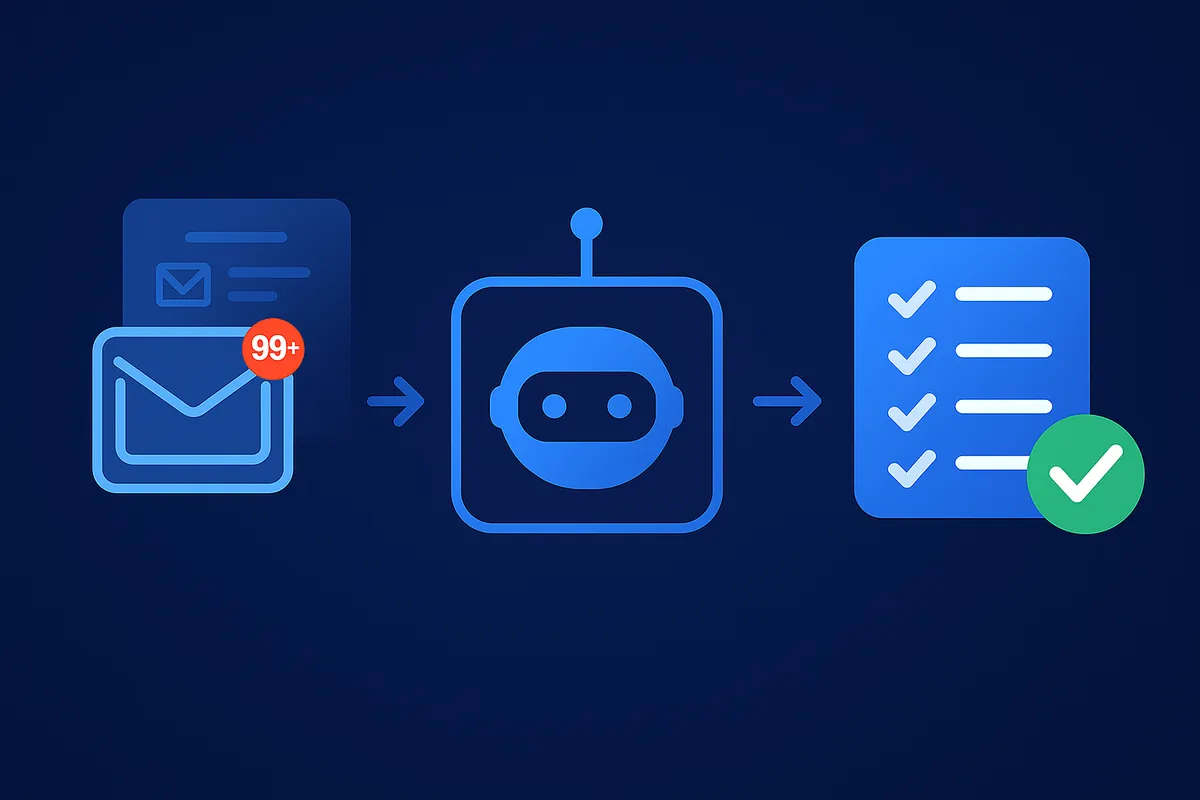
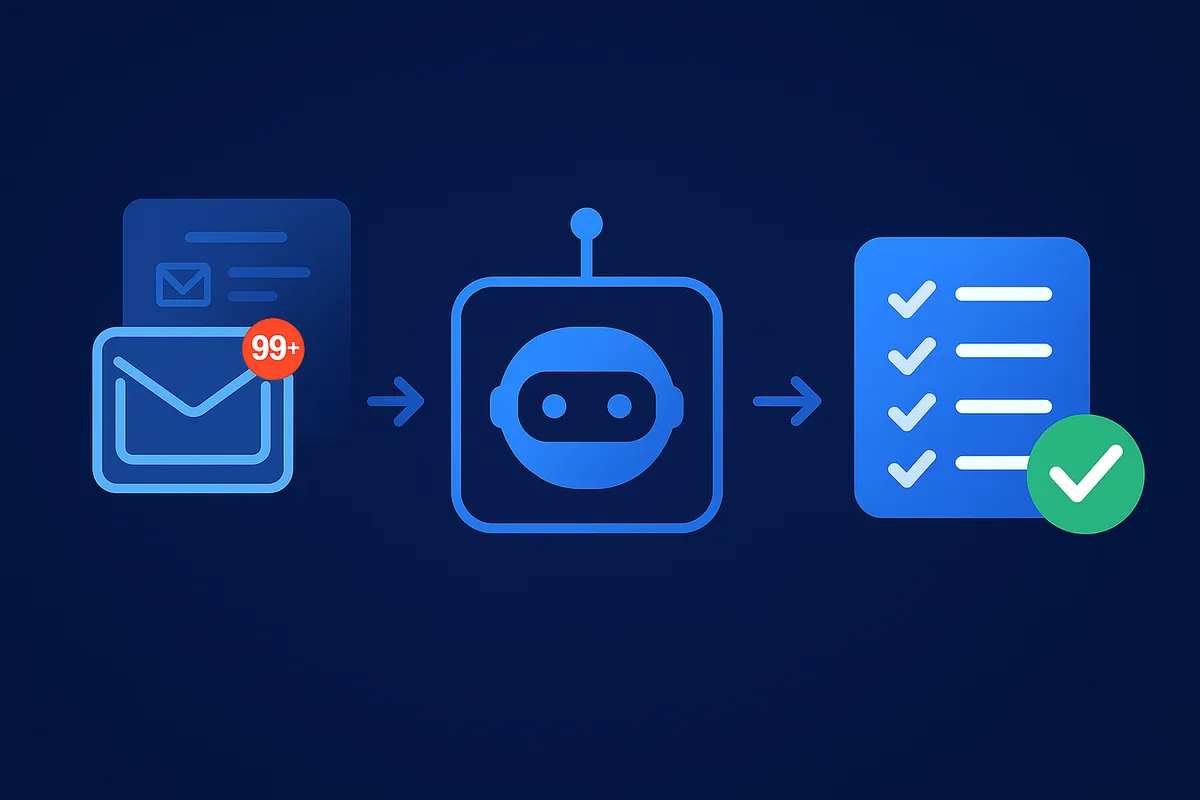
A finance team validates vendor invoices, around 500 a month. Each one: open the invoice, check it against the ledger, flag mismatches, route exceptions. Six minutes each when nothing is wrong. That is roughly 50 hours a month, a full week of skilled hours, spent on checklist work.
We built an agent that does the checking. The humans do the judging. The team now reviews a one-page exception report instead of 500 invoices, and the week of hours goes back to work that actually needs a human brain.
No press release. No transformation roadmap. Just a Tuesday, fixed. Multiply that across a business and you have the whole quiet story of 2026.
What made it work was not the model. It was the shape of the task: the same steps in the same order, hundreds of times, with a clear rule for what counts as a mismatch. Rules did the matching. The model did the reading. A person cleared the exceptions. That division of labor is the pattern behind almost every deployment we have shipped, and it is why our business process automation page walks through an invoice workflow step by step instead of listing features.
Try this tomorrow
A five-minute exercise, no vendor required.
Ask three people on your team one question: "What task do you do every week that a smart intern could do with a checklist?"
Two rules. Ask separately, not in a meeting, because in meetings people perform and one-on-one they confess. And write the answers down word for word, because how people describe a task tells you how much they hate it.
That list is your AI roadmap, in order. The task that shows up twice is where you start. Repetitive, rule-based, high volume: if an answer hits all three, that is your first project, and it will probably be something nobody has ever put in a strategy deck.
If you want a more structured version of this, the guide to choosing your first AI workflow turns those three tests into a six-criterion score you can run on five or ten candidates.
What we are seeing
Three observations from the field.
- The gap between demos and deployments keeps widening. The impressive things on stage and the profitable things in businesses are increasingly different lists. Judge vendors by their renewals, not their keynotes.
- Small teams are moving first. The most aggressive AI adoption we see is not in enterprises with AI task forces. It is in 10-to-50-person companies where the owner can decide on a Tuesday and ship by month-end.
- The question is changing. Six months ago prospects asked "what can AI do?" Now they ask "what should we do first?" That shift, from curiosity to sequencing, is what the early majority sounds like when it arrives.
One thing worth knowing
Here is a question most leadership teams cannot answer: what AI tools did your employees use this week, and what went into them?
The honest answer at most companies is "no idea," and the data flowing out is not going somewhere you can audit. It is client names in a free chatbot, financials in a personal account, contract terms on someone's phone. Done by your best people, for good reasons, with no safe alternative offered.
Policies do not fix this. Alternatives do. The companies getting it right give their teams a private AI inside their own walls, one that is genuinely better for the work than the public tools, so the sanctioned option wins on merit. Visibility follows adoption, not enforcement. That is the whole argument for a Private GPT that runs under your own access controls, and it is why the first question in those deployments is never "which model" but "which documents, and who can see them."
Find the 500-times-a-month task
Thirty minutes with me and the list from the exercise above. We will price the top item, decide whether AI belongs in it, and scope the first step.
Book thirty minutesFrequently asked questions
Where does AI pay for itself fastest in a small business?
In repetitive, rule-based, high-volume work: invoice checking, call intake, data moving between systems, answering the same questions from documents. The glamorous projects rarely clear their own cost. The checklist work almost always does, because the volume is already there and the rule for "done" is already written.
How do I find the right first AI project?
Ask three people, separately, what weekly task a smart intern could do with a checklist. Write the answers down verbatim. A task that shows up twice and is repetitive, rule-based and high volume is your first project. Score it properly with the six criteria in our first-workflow guide before you build.
What happened to the finance team's 50 hours a month?
The agent checks each invoice against the ledger and produces a one-page exception report. People review the exceptions and make the judgment calls. The checking time went away; the judging time stayed, which is the point.
Why does it matter which AI tools employees use?
Because the data going into free consumer tools is client names, financials and contract terms that nobody can audit afterward. The fix is not a ban. It is a private AI that is better for the work than the public tools, so people choose it on merit.
First published in The Humming Agent Brief, Shawn's twice-monthly newsletter for business owners. Subscribe there to get the next issue first.
Frequently Asked Questions
Where does AI pay for itself fastest in a small business?
In repetitive, rule-based, high-volume work: invoice checking, call intake, data moving between systems, answering the same questions from documents. The glamorous projects rarely clear their own cost. The checklist work almost always does, because the volume is already there and the rule for "done" is already written.
How do I find the right first AI project?
Ask three people, separately, what weekly task a smart intern could do with a checklist. Write the answers down verbatim. A task that shows up twice and is repetitive, rule-based and high volume is your first project. Score it properly with the six criteria in our first-workflow guide before you build.
What happened to the finance team's 50 hours a month?
The agent checks each invoice against the ledger and produces a one-page exception report. People review the exceptions and make the judgment calls. The checking time went away; the judging time stayed, which is the point.
Why does it matter which AI tools employees use?
Because the data going into free consumer tools is client names, financials and contract terms that nobody can audit afterward. The fix is not a ban. It is a private AI that is better for the work than the public tools, so people choose it on merit.
Ready to Transform Your Business?
See how AI automation can help scope practical workflow improvements and measurable business-case assumptions.
Book Operations ReviewAbout Shawn Kercher
Shawn Kercher is the co-founder and CTO of HummingAgent, a Colorado AI automation agency that builds custom AI agents, voice receptionists, Private GPT deployments and workflow automation that clients own. He spent thirteen years as an engineer at Comcast Labs before founding the company, and writes The Humming Agent Brief, a twice-monthly newsletter for business owners.
Popular implementation paths
Turn this AI idea into a scoped workflow
Compare the related service pages and practical guides buyers most often use after reading our AI automation articles.
Related Articles

They Didn't Want an AI Pitch. They Wanted the Job Booked. Three Questions to Ask Before Buying Any AI Tool
At The Fence Show in Las Vegas I was ready to explain how our AI worked. The contractors wanted to know whether it would book jobs and what their office would stop chasing. Here are the three questions I'd ask any vendor, including us.

Is It an AI Agent or a ChatGPT Wrapper? One Test, and What It Takes to Build on the Right Side of the Line
Most AI products are a UI on top of a frontier model, dressed up as an agent. Here's the test: if the model provider adds this feature next quarter, does your product still exist? What I told Sam Dey on DataScienceWithSam about building things a business can run on every day.

Why Your Team Won't Update the CRM (and the Step to Remove Instead of Reminding Them)
One person told me their team relies on the CRM for everything. Another said phone messages still get written on sticky notes. Both are true. Before you send another "please update the CRM" reminder, ask whether the update is recording or copying.